Friday, April 1, 2016

Master the Art to Finding the Right Referrals

Master the Art to Finding the Right Referrals written by Guest Post read more at Duct Tape Marketing


Master the Art to Finding the Right Referrals - Duct Tape Marketing

photo credit: iStockPhoto


Referrals are an important part of any successful business and shouldn't be overlooked. Referrals don't just happen, though that would be wonderful. You need to be creative, persistent and implement a strategy to generate them. Are you providing exceptional customer service, going above and beyond and leaving your clients impressed? If so it's time to begin the referral process and see what happens!


Word of Mouth


Word of mouth is one of the most powerful ways to propel a referral. Who doesn't love hearing about a great product or service from a reliable, trustworthy source? Think of a time when you had a bad experience.  I'm sure you shared negative feedback with anyone who would listen. And, I'm sure it left you with a bad impression for a while. But, what happens you when you have a positive experience? When you've exceeded client's expectations they're more than likely to share their feedback in a positive way. In fact, according to a study published by Nielsen, 84 percent of consumers say they trust recommendations from friends, family and colleagues about products and services. So, go ahead and exceed your client's expectations so they can brag about you. There's only good to come from it.


The Key is in the Follow Up


Follow up with your existing clients as soon as your product and service is delivered. Send a hand written thank you note, along with a small gesture of kindness. Do they like to golf? Send them a golf ball.  Are they an avid reader?  How about a latest best seller? Are they a workout fanatic? Send them a unique water bottle. If expectations were exceeded, ask your clients if they know of anyone else that might be interested in your products or services. It's important to show them that you appreciate their business. Don't expect a referral every time, but every couple of times will be fantastic for building a pre-qualified customer base.  Think of it like a love engine that keeps on giving you business.  Cherish your clients and who they refer to you. Be grateful on a daily basis and build connections for life.


The Power of Karma


I'm a big believer in the power of karma! It's not all about asking. To circulate positive energy you need to give to get. Try giving a referral for no reason or just because - as a simple act of kindness. Karma is the Law of Cosmic Cause and Effect meaning what comes around goes around. The more you give, the more you will get. Do you like your graphic designer? Printer? Promotional partner? Event planner? Give a referral to a business colleague. Not a believer of karma?  Everyone has a story. What's yours?


Use Social Media


Social media is an important part of our daily business and especially with the millennial market, it's a must to be active. LinkedIn is a powerful networking tool for referral marketing and often underutilized. Spend a few strategic hours each week on LinkedIn and you'll be amazed at the results. First, make sure you have a LinkedIn page that you're proud to promote.  Are you looking to target a certain industry or company? Put together a list of three to five businesses you'd like to contact do a quick search and see who in your network is connected to the them. Send your contacts a note through LinkedIn and ask for an introduction. Hopefully your connection will respond favorably and you can move forward with your request. It's as easy as that!


Interested in a few other ways to boost your referrals and recommendations with social media? Post updates daily, celebrate your colleague's successes and accomplishments and follow your prospects and clients on platforms that are a part of your normal business promotion. Show interest to gain interest!


Referral marketing is a positive tool that helps you build business and get results. Keep in mind this does take time but the results will be well worth your effort. Make a commitment to take a couple of these referral strategies and implement them, in ways that work for you. Once you have a system in place, you're on your way to new leads, potential partners and customers who want to give you business.


Rachel LeoneRachel Leone is president of Leone Marketing Solutions a trade show and event marketing firm specializing in promotional products.  For over two decades she has helped startups, small businesses and Fortune 500 brands stand out in the crowd with promotional products, premiums and gifts that create awareness and attract attention. For more information or a complimentary brainstorming session contact her at 781.740.3171 or rachel@leonemarketing.com


7 Cross-Channel Apps of Highly Effective Modern Marketers

In today's hyper-connected world, it's important to have a rock-solid cross-channel marketing strategy, and one of the easiest ways to execute that strategy is through your marketing automation system. As we share in our new eBook, Visions From the Future of Marketing Automation: An Explorer's Guide to Cross-Channel Marketing, there are lots of ways to get creative in reaching your customers. Below, we've outlined seven types of apps that you can plug into your marketing automation system to help make your cross-channel campaigns more efficient, engaging and effective.  


1. SMS/MMS Apps

In our smart-phone co-dependent society, customers are constantly checking their phones, and sending a quick text or picture message is a great way to get in front of them with timely offers, information, announcements, and more. SMS and MMS are also great for reconnecting with “hard-to-get” people on your target list.


Tip: Make sure your messages are short, simple and focused on one point.


2. Calling Apps

Instead of sending contacts to CRMs or routing them through sales execution tools, try using a calling app that enables your team to talk to customers directly. A good calling app will enhance your workflow efficiency and enable you to identify the conversations that are delivering the best return, so you can adjust your approach accordingly.


Tip: Use talking points instead of a script to ensure you come across as authentic, not robotic.


3. Voice Message Apps

In the event you need to leave customers and prospects a message, voice messaging apps can alleviate the stress of speaking on the fly by enabling you to pre-record a personalized message based on insights and information from your contact list. Some apps even allow you to use voice prompts to make messages interactive.


Tip: Whatever you've got to say, do it in 30 seconds or less.


4. Payment Apps

Once customers are ready to show you the money, you can help them help you by hooking up your forms and landing pages with a secure payment app. These apps enable you to process credit card payments and track transactions for products, services, events, online stores, and more.


Tip: Always let customers choose how they want to receive their receipt (email, text, paper).


5. Geo-Targeting Apps

One of the best ways to make sure your campaigns are in the right place at the right time is to use a geo-targeting app to search and segment your contacts. Geo-targeting empowers you to personalize content for your target audience based on their location, which is especially handy when you want to make sure an event is well-attended by locals.


Tip: Start with a small radius when segmenting your target and increase it incrementally.


6. Direct Mail Apps

Sometimes our digitally dominated world leaves customers longing for something real. When that happens, use a direct mail/print-fulfillment app to send customers a physical reminder of your company that they can touch, like a postcard, catalog, or even gift items.


Tip: Sending personalized thank you notes to customers is a smart way to build brand loyalty.


7. Validation Apps

People move on, move up and make mistakes - all of which impact your database, your sales, and ultimately your bottom line. To make sure your lists are clean, use e-mail and address validation apps. Most of these apps enable you to validate emails and addresses on your landing page, before they clutter your database with misinformation. They also normalize and standardize data throughout your ecosystem, which not only makes everything look professional, it helps eliminate and consolidate duplicate addresses.


Tip: Information is constantly changing, so validate all contacts often. 


Every part of your marketing needs to go mobile, especially your marketing automation activities. The Modern Marketing Essentials Guide to Mobile Marketing will make sure that mobile is always top of mind.


A Step-by-Step Guide to Conducting a Content Audit

audit


Is your content a mess?


It might be high quality (it might not be), but that doesn't mean that it's organized.


It also doesn't mean that you're producing all of the right kind of content that your readers want to see.


Most online businesses that use content marketing have weaknesses in their content.


Either the content isn't performing as well as it could be, or they're missing content on certain topics and keywords altogether.


And this includes good businesses too, so don't feel bad if you don't think your content marketing is quite as good as it could be.


Instead, recognize that this is an opportunity to further improve your content marketing processes.


So, how do you find these weaknesses?


As you may have guessed, you find them with a content audit.


A content audit helps you assess your current content as well as shape your future content strategy.


In this post, I'm going to show you a 5-step content audit that you can follow (although there are many other effective content audit processes). 


Step 1: Generate a list of all your content


The first thing you need to do is take stock of what you have.


You'll want to compile a list of URLs and put them in a spreadsheet.


If you have a small site, you can do this manually, but otherwise I suggest you use software like Screaming Frog to generate a list.


The free version will crawl up to 500 links on a site, so as long as your site is small, you'll be fine. Otherwise, you'll want the premium version, which is worth the investment for any serious marketer.


Enter a starting URL in the text bar at the top of the tool, and press Start:


image06


You can't configure the options in the free mode, but the defaults should be fine.


When it's done, set the filter to HTML, and export the results.


image05


From this list, you'll want to keep all the URLs with a status code of “200.”


If you find that you're missing a lot of URLs, which is possible if your internal linking isn't great, you can use another option like a sitemap generator.


If you use the tool I just linked to, enter your starting URL again, and the tool will crawl up to 500 pages:


image07


You can then copy the results and paste them into a spreadsheet. You might have to clean them up a little, but it will work.


Step 2: Retrieve metrics, and categorize content


Now that you have a good idea about what you have, it's time to figure out how it's performing.


Just because you have an article about “SEO for cats,” which is a topic you wanted to cover, doesn't mean that the article is getting traffic or doing anything with the traffic it gets.


Content that is underperforming is going to be the first main weakness that we'll identify.


Below is a list of metrics that you might want to collect. Add a column to your spreadsheet for each one. Feel free to add any others that you care about:


  • Title of content - You can pull this right from Screaming Frog.

  • Length of title - You can also get this from Screaming Frog. Use it as a quick check for excessively long titles. Remember, it should be under 55-60 characters to show up fully in Google. This can affect your click-through rate (CTR).


image03


  • Category – Write down the topic of each page.

  • Ranking for main keyword (if available) - If there's a keyword you're targeting, record your ranking for it as of now.

  • Search volume for main keyword - A metric that will help you prioritize your SEO effort in the future. Get it from Google AdWords or any keyword research tool.


image04


  • Average organic search traffic per month – Get this from Google Analytics. Go to “Behavior,” and pick the page. Then add a secondary dimension of “source,” and look for the traffic data beside Google.

  • Average overall traffic per month - Again, get it from Google Analytics. Record the total traffic number by going to “Behavior,” and pick a page. Look at a time period of at least 3 months when possible, and calculate an average.

  • Meta description – Your meta description can also greatly affect your CTR. If your traffic seems unreasonably low for the typical monthly search volume, you can optimize your meta description to attract more clicks. You can also pull this from Screaming Frog.

  • Bounce rate of organic search traffic – Again, go to “Behavior,” pick a page, and add a secondary dimension of source. Look at the bounce rate metric beside the Google row.

  • Average time on page of organic search traffic – Use the same report as above, but get the average time on page.

  • Number of backlinks – Backlinks are a critical part of ranking well. Use a link database tool such as Majestic or Ahrefs to get the number of backlinks to each page (can be done in bulk).


image09


  • number of linking root domains – You should be able to get this when getting the number of backlinks. It tells you whether backlink numbers are inflated (i.e., 10,000 backlinks from one domain).

  • URL rank - Different tools have different metrics (e.g., MozRank for OSE, URL rating for Ahrefs) to judge the overall quality of links. Get one to get a rough idea of your page's authority.


image01


  • Total social shares - you could also break this down by network. You can get this information using a tool like Sharetally.


image08


If you plan on doing multiple content audits or you're working on a very big site, doing all this manually would be crazy.


Some of it is easy to do all at once, like collecting numbers from Screaming Frog.


But all the other actions can also be done in bulk (and automated) with a little technical know-how.


Hire a programmer to build you a simple tool that pulls all this data from different APIs, and it will save you hours of work.


Step 3: Create an in-depth reader/customer profile


We'll take a step away from your actual content for this part and instead focus on your target audience.


This step consists of two parts.


Part #1 – Identify your reader: It's a basic rule for any marketing – create things that your target audience is interested in.


It applies to social media marketing, content marketing, SEO…and so on.


But in order to do that, you first need to determine who your reader is.


Refer to this section of one of my ultimate guides if you need help doing this.


Part #2 – Determine what they're interested in: Now, you can start to learn and understand what they're interested in.


You figure that out by researching demographics (age, gender, etc.) and psychographics (what they believe in).


Here's a good introductory guide that will walk you through the most important demographics and psychographics.


Once you've done that, you should have a fleshed out reader avatar.


image02


Part #3 – Use those interests to identify topics and keywords: Once you have a pretty good understanding of your target audience (be as specific as possible with everything), it's time to translate that to content.


A good place to start is to use basic keyword research tools.


image00


After that, use these advanced keyword research methods to find even more keywords and topic ideas.


You should record all of these keyword and topic ideas in another spreadsheet, complete with any search volume data they have.


Note that you are not limited to just these topics for content. From your knowledge of the reader, you might be able to know that they'd be interested in something that can't be searched for.


You can still add these topics to the list; you'll just have to get traffic for them from sources other than search engines.


Step 4: Conduct “gap” analysis


Now we have two spreadsheets:


  • One with all your current content (and metrics)

  • One with all the content (or content ideas) your target reader is interested in


It's time to look at them together.


Area #1 – See which content you're missing altogether: This has to be done manually and will take quite a bit of time.


Start by pairing up those keyword and content ideas to the content you already have.


Essentially, you're copying the entire row from the first sheet that we made and pasting it right beside the keyword it matches.


Here's a small snapshot of what it might look like:


image10


What you'll find at the end of it, in almost all cases, is that for some of the content/keyword ideas, you don't have any matching content.


That's a clear problem: you have a gap.


Obviously, you'll need to fill these gaps, but we'll get to that later.


Area #2 – See which content is not performing: I mentioned this briefly before. If your current content isn't generating any traffic, it's about as useful as if it was missing altogether.


That's not good enough.


The challenge here is to identify this underperforming content.


Unfortunately, there's no specific formula I can give you here.


It comes down to what you consider good. For some sites, getting 200 visitors a month to a piece of content is horrible, while for others, that's great.


On top of the absolute amount of traffic your content gets, you want to consider two other main factors:


  • Its search rankings

  • Its potential search traffic


If a page is ranking in positions #4-10, it's not getting much traffic.


However, with some extra work, you could easily get it to rank in the top 3 and get more traffic.


But you also have to consider if it's worth the effort.


If the keyword gets a few thousand searches a month, it probably is. If it gets 20? Probably not.


At this point, you just want to highlight which content isn't getting much traffic.


Next, we're going to bring it all together.


Step 5: Create your new content strategy


The final step is to create a content strategy that will address all the weaknesses that have been identified up until this point.


And it requires a lot of manual work and careful consideration.


Step #1 – Create a column for action: It's time to add another column to your spreadsheet.


I suggest adding it to the very beginning.


In this column, you'll add a final label reflecting the corresponding action you want to take on it.


Again, choose any labels you want, but you could use these ones if you'd like:


  • Leave” – The post is performing well, no changes are needed.

  • Create” – A default label for any content idea that needs to be filled.

  • Merge” – Sometimes, you might have more than one piece of content for one topic (it happens if your content is not well organized). It's usually best to merge these together into one best version.

  • Improve” – If your content is underperforming, you'll want to improve it.


You'll need to go through each idea, one by one, to do this.


Step #2 – Create a column for priority: There's one final column you need to make. Put it right next to the action column.


Some gaps are bigger than others.


It makes sense to fill those big gaps first and get to the smallest ones only when you have time.


Here, you're going to assign each action (other than “leave”) a priority from 1-10 (10 being the highest).


You need to factor in those things we looked at like potential for SEO traffic.


If a piece of content has the potential to generate a ton of new traffic, it gets a high priority and should be edited or created as soon as possible.


Finally, create an action list: Now that your sheet is filled out, sort all the actions based on their priorities.


Then, plan your content marketing goals, tasks, and resources so that you can start filling in these gaps one by one, in order of priority.


Conclusion


No collection of content is ever “complete”-there will always be some gaps.


Conduct a content audit on a regular basis, and identify your biggest weaknesses.


It's a ton of work and leads to even more work (taking action on your results), but it is an extremely effective way to consistently improve the results from your content marketing.


This can get a little overwhelming if you haven't done a content audit before, so if you're confused about any of this, leave me a question below.


How Emotional Targeting Converts More Leads

A study found “that websites with a stronger emotional impact produced a greater intent to buy.”


Appealing to your audience's emotions creates a connection. Whether you're designing product descriptions or landing pages, your team must aim to evoke emotion into your messaging.


That's why storytelling works so well. It's a powerful way to engage your customers.


Research by Pringle & Field found that “emotional campaigns outperform on almost every metric,” including revenue, profit, and share gain.


Emotional targeting produces authentic content that speaks the consumer's language. It's those irresistible stories that touch people's hearts and propels them to purchase your products.


Ready for a challenge? Learn how to convert more leads with high-impact emotional messages.


1. Psychological Triggers


Emotions determine our everyday decision-making. We buy when we're sad. We buy when we're happy.


However, most brands miss the opportunity to develop an emotional link with shoppers. They focus on product features, rather than understanding the feelings behind the purchase.


In 2014, Facebook “revealed that it had manipulated the news feeds of over half a million randomly selected users to change the number of positive and negative posts they saw.”


This controversial psychological study found that people mimic the emotions expressed in online content. So, if people read a positive post, they are more likely to respond positively.


With that in mind, prepare your SaaS to develop digital marketing campaigns ingrained with psychological triggers. For instance, happiness induces people to share.


Serial entrepreneur Neil Patel says, “When your content drives people to a state of happiness or joy, they will automatically respond to your offers, feel obliged to share your content, and will stop at nothing to tell others about you.”


Here's an example from Moz. Their Whiteboard Friday videos express excitement as experts teach SEO and online marketing skills, and they receive thousands of YouTube views.


rand-moz-whiteboard-friday


Also, A/B test your campaigns based on behavioral and emotional marketing, not tactical elements.


Talia Wolf, the Founder and CEO of Conversioner, states, “Great marketing campaigns look at the entire product as an ecosystem. Rather than just changing the headline, or the colors of individual elements, they approach the product as a whole.”


There is real value in tapping into people's emotions. Work with your team to develop digital content that connects to your shoppers' sentiments. It will help maximize your lead conversions.


2. Memorable Experiences


Memories are precious moments in our lives.


We remember graduating from high school, breaking up with our first romantic partner, or even that embarrassing moment when we flopped a presentation. These experiences evoke us to think about how we felt at that particular time.


To harness the power of memorable experiences, associate your brand's shopping experience with your customer's life events. For example, transfer the same emotions customers felt when they got married or bought their first home.


For instance, chocolate is usually associated with joy. Hershey's is keeping that alive with its #HelloHappy campaign.


hersheys-hello-happy-campaign


Stacie Stauffer, senior brand manager at Hershey's, told AdFreak the following:


“The second you say 'Hershey,' the most amazing thing happens. This giant flood of emotions and memories happens-when I made s'mores camping, or stirred up chocolate milk with my mom. That solidified that we should be speaking more as [one] brand, and from a much more emotional place.”


This type of emotional targeting makes consumers feel subconsciously connected to your brand. They are compelled to read more, click on your offer, and even purchase your services.


Chris Dalton recommends offering value without expectations.


He said, “Sometimes, the best sales pitch is no pitch at all. Consumers have become savvy to ignoring direct sales tactics or sleazy methods. If you offer information relating to your products with honesty and transparency, your customers will notice.”


Buffer does an effective job by giving its customers an inside peek at their operations. Check out their BufferOpen blog about their “journey to greater productivity, more transparency and a happier work culture.”


buffer-open-blog-post


Map out a path to connect your customers' memories with your brand. And sometimes that means not selling, just providing value.


3. Visual Storytelling


DemandGen Reports noted that video content for B2B marketing increased by 8% to 54%, and infographics jumped 9% to 52% in 2014. It's becoming a necessity to use visuals as part of your marketing strategy.


A good visual stimulates people's senses. It can create fear, elicit pity, or showcase friendship. Font styles make a difference, too. People consider clear, readable font as trustworthy.


But you can't just plop any picture on your website or Instagram account. Freelance writer Dawn Papandrea agrees:


“To make visual storytelling work, however, you can't simply slap a few stock photos onto your blog or social media posts. Just as headlines and calls to action must be crafted carefully, your visual content deserves more than a second thought.”


From screenshots to actual photographs, think about how to convey emotion to your audience. Do you need a wide-angle shot? Will a big red arrow show more impact for the viewer?


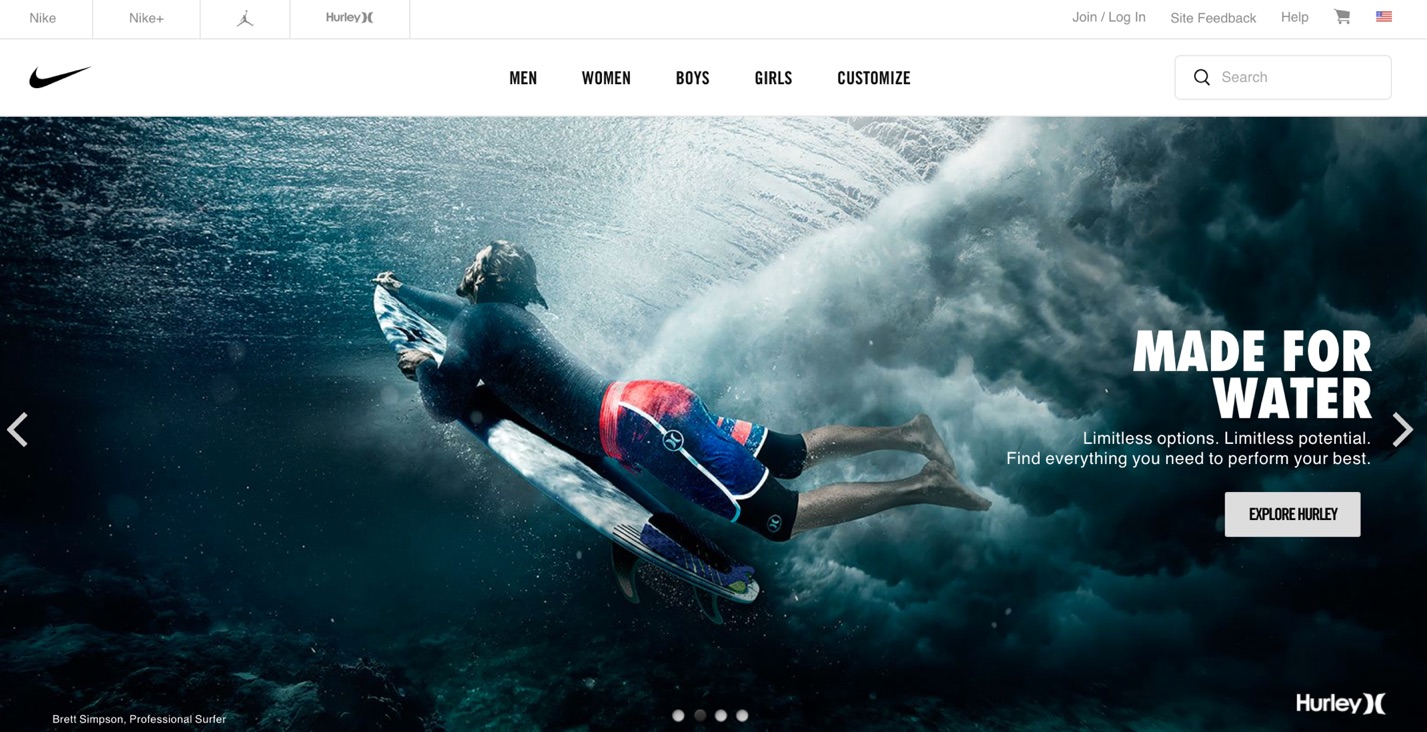
nike-made-for-water


In the above picture, Nike displays the endless possibilities customers can experience with their apparel. It's all about the adventure and the limitless options the brand offers its consumers.


In addition, be aware of diversity in your visuals. Cultural shifts happen within our society.


Not everyone will be on board with your company's inclusiveness. But don't let that stop your eCommerce store's progression.


General Mills faced negative backlash for featuring an interracial couple in their 2014 Cheerios Super Bowl commercial ad. Despite some disapproval, there was also an overwhelming positive response applauding their diversity efforts.


Use visual storytelling to communicate emotion to your customers. From infographics to videos, give your shoppers a better understanding of your brand's culture.


4. Social Proof


We're humans. We want to belong.


Social proof in marketing activates those desires to be affiliated with a specific group of people or worthwhile cause.


Social media strategist Michael Sherman, says, “For many, a proven testimonial or example is the emotional trigger a person needs to say yes on buying your products and using your services.”


Old Navy appeals to shoppers' sense of belonging. They focus on offering trendy clothes at affordable prices.


In the tweet below, the retailer implies that if you want to get ready for spring and be happy with your friends, purchase from their wide-selection of clothes.


For social proof to work well, your brand must truly understand your consumers' motivations and intentions.


For example, expert social proof may emotionally influence your consumers to take action. This happens when an industry influencer or well-known blogger publicly approves a product. Those endorsements look like a basic quote or a video testimonial.


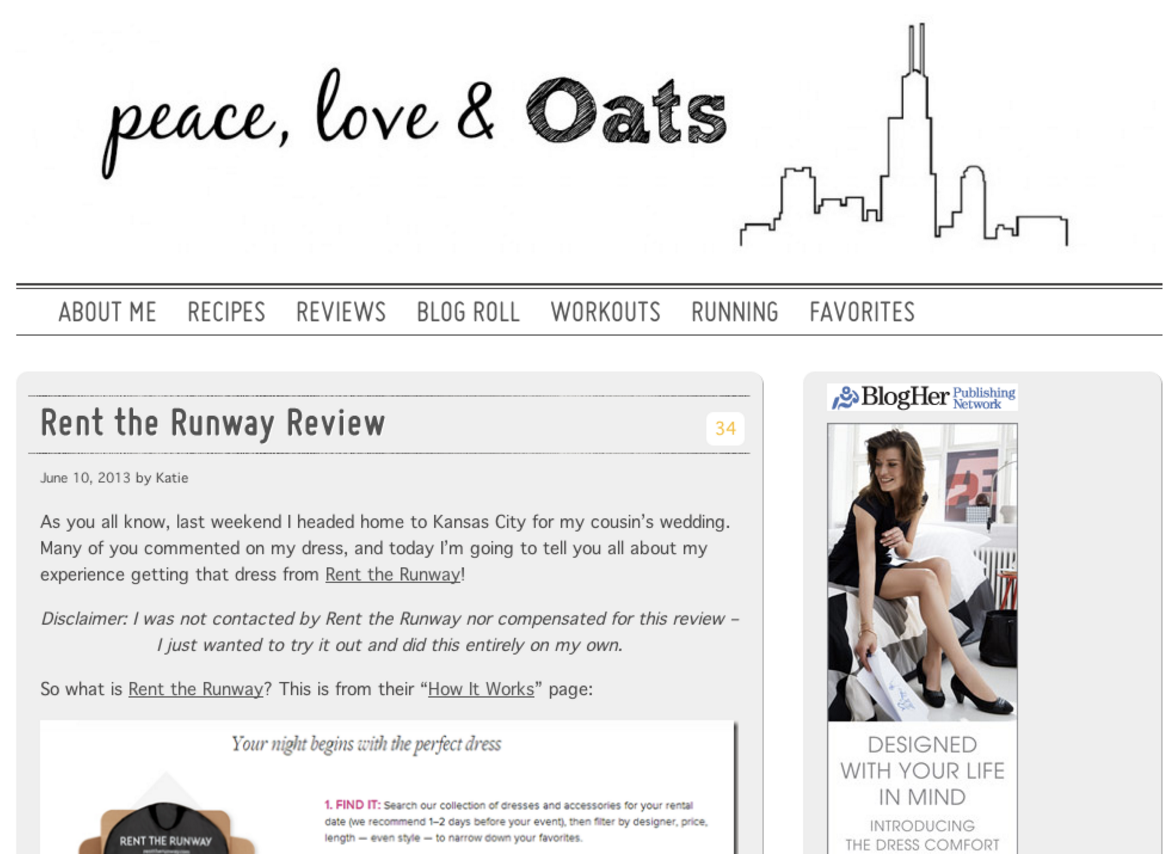
Rent the Runway experienced a 200% higher conversion rate from mentions by a fashion magazine or blogger than paid search.


peace-love-oats


Learn what riles up your consumers. Identify experts that appeal to your audience and coincide with your brand's values. Give people the social proof they need to buy your products.


Target Emotions


Strive to build an emotional connection with your buyers. As a result, customers will feel connected with your brand and purchase more.


Strategize on how to add psychological triggers. Ditch transactional relationships for memorable experiences. And invest in visual storytelling to express your brand better.


Target people's emotions to convert more leads.


About the Author: Shayla Price lives at the intersection of digital marketing, technology and social responsibility. Connect with her on Twitter @shaylaprice.


Online Marketing News: MarTec Supergraphic, YouTube goes Live and AdWords' New Look

martec super graphic


Marketing Technology Landscape Supergraphic

In one huge supergraphic, cheifmartec.com lays out key players in advertising and promotion, content and experience, social and relationships, commerce and sales, data, and management. As you can see from the image above, there are a huge amount of service providers in the industry, more than we may have even anticipated as few as five years ago. How will this landscape continue to change? Cheifmartec.com


Report: Google Building YouTube Connect to Compete With Periscope

Streaming live video is not a new concept in the marketing sphere, especially since Periscope hit the scene in 2014. But Video mega-star YouTube is jumping into the realm with both feet, launching their new live streaming app 'YouTube Connect' to compete with the success of Periscope and services like it. Interestingly enough, users will reportedly be able to watch live streaming video in the app itself, or on YouTube.com. SocialTimes


Google is completely redesigning AdWords: Offers first peek

Google recently announced that they're revamping the look of AdWords - the first time since 2008. This change in design in rumored to make AdWords more intuitive and focused on the needs of the marketers using the platform, while making the look and feel more modern. Functionality won't be changing, but there will be major changes to in-platform views and dashboards, along with the navigation. According to Google, they will begin rolling out changes as they become available. Search Engine Land


Research Shows Marketing Personalization Misses The Mark

Don't freak out - marketing personalization is still and important and useful tool in our collective toolbox. However, the way it's being used isn't as effective. Repeating the same bad behaviors that didn't work before personalization capabilities, but trying to fit them into a new paradigm, will get you the same results. According to Forbes, “What they are really doing is putting lipstick on tired, transactional emails and blasting them from the latest and greatest CRM technology.” The takeaway here is that if you're going to use personalization (and you should!) make sure you're using it in the right way, and avoid spray and pray! Forbes


From the @toprank Twitter Community

solid content marketing strategy


Facebook Reactions: New Data Shows Most Users Still Just 'Like' Posts

After all the excitement and nail biting or Facebook's release of reactions, new data is showing that 93% of users are still simply liking brand posts. This could be due to the small increase in time it takes to hover over the like button to choose a reaction, or that Facebook is possibly not showing the full picture in terms of itemizing the total 'likes' number down to specific reactions over 10,000. What we do know is that reactions are likely here to stay - so it's worth incorporating their use into your social marketing strategy. SocialTimes


Snapchat is testing ads that contain advertorials like listicles

According to Marketing Land, “A couple of months after Snapchat rolled out its first app-install ads, the app has begun testing a new type of interactive ad that lets brands append branded articles to Snapchat's standard vertical video (or 3V) ad format, a Snapchat spokesperson confirmed.” This means that advertisers can promote their content in a more interactive ad format, using text, images and animated gifs in a similar style to what you'd expect to see on Buzzfeed or Mashable. Marketing Land


Report: Bot Fraud Costs Advertisers $7.2 Billion Worldwide

A new report from the Outdoor Advertising Association of America states: “Last year globally, display media with cost-per-thousand-impressions (CPMs) over $10 received 39% more bot traffic than lower CPM media. Video media with CPMs over $15 had a 173% higher bot rate than lower CPM media. Going programmatic, the holy grail of hands-off media planning, makes matters worse. Programmatic display ads attracted 14% more bot traffic than average while programmatic video invited 73% more bots.” The takeaway here is that as digital marketers, we need to accept and acknowledge this reality, and adjust our expectations of advertising platforms and our advertising strategies accordingly. SocialTimes


What were your top marketing news stories this week?


Stay tuned to the TopRank Marketing blog for next week's news roundup (and delightful video from yours truly and the lovely Josh Nite)! Have something to share? Tweet me @Tiffani_Allen or send it to @toprank using the hashtag #trnews!


Email Newsletter
Gain a competitive advantage by subscribing to the
TopRank® Online Marketing Newsletter.


© Online Marketing Blog - TopRank®, 2016. |
Online Marketing News: MarTec Supergraphic, YouTube goes Live and AdWords' New Look | http://www.toprankblog.com

The post Online Marketing News: MarTec Supergraphic, YouTube goes Live and AdWords' New Look appeared first on Online Marketing Blog - TopRank®.


7 Cross-Channel Apps of Highly Effective Modern Marketers

In today's hyper-connected world, it's important to have a rock-solid cross-channel marketing strategy, and one of the easiest ways to execute that strategy is through your marketing automation system. As we share in our new eBook, Visions From the Future of Marketing Automation: An Explorer's Guide to Cross-Channel Marketing, there are lots of ways to get creative in reaching your customers. Below, we've outlined seven types of apps that you can plug into your marketing automation system to help make your cross-channel campaigns more efficient, engaging and effective.  


1. SMS/MMS Apps

In our smart-phone co-dependent society, customers are constantly checking their phones, and sending a quick text or picture message is a great way to get in front of them with timely offers, information, announcements, and more. SMS and MMS are also great for reconnecting with “hard-to-get” people on your target list.


Tip: Make sure your messages are short, simple and focused on one point.


2. Calling Apps

Instead of sending contacts to CRMs or routing them through sales execution tools, try using a calling app that enables your team to talk to customers directly. A good calling app will enhance your workflow efficiency and enable you to identify the conversations that are delivering the best return, so you can adjust your approach accordingly.


Tip: Use talking points instead of a script to ensure you come across as authentic, not robotic.


3. Voice Message Apps

In the event you need to leave customers and prospects a message, voice messaging apps can alleviate the stress of speaking on the fly by enabling you to pre-record a personalized message based on insights and information from your contact list. Some apps even allow you to use voice prompts to make messages interactive.


Tip: Whatever you've got to say, do it in 30 seconds or less.


4. Payment Apps

Once customers are ready to show you the money, you can help them help you by hooking up your forms and landing pages with a secure payment app. These apps enable you to process credit card payments and track transactions for products, services, events, online stores, and more.


Tip: Always let customers choose how they want to receive their receipt (email, text, paper).


5. Geo-Targeting Apps

One of the best ways to make sure your campaigns are in the right place at the right time is to use a geo-targeting app to search and segment your contacts. Geo-targeting empowers you to personalize content for your target audience based on their location, which is especially handy when you want to make sure an event is well-attended by locals.


Tip: Start with a small radius when segmenting your target and increase it incrementally.


6. Direct Mail Apps

Sometimes our digitally dominated world leaves customers longing for something real. When that happens, use a direct mail/print-fulfillment app to send customers a physical reminder of your company that they can touch, like a postcard, catalog, or even gift items.


Tip: Sending personalized thank you notes to customers is a smart way to build brand loyalty.


7. Validation Apps

People move on, move up and make mistakes - all of which impact your database, your sales, and ultimately your bottom line. To make sure your lists are clean, use e-mail and address validation apps. Most of these apps enable you to validate emails and addresses on your landing page, before they clutter your database with misinformation. They also normalize and standardize data throughout your ecosystem, which not only makes everything look professional, it helps eliminate and consolidate duplicate addresses.


Tip: Information is constantly changing, so validate all contacts often. 


Every part of your marketing needs to go mobile, especially your marketing automation activities. The Modern Marketing Essentials Guide to Mobile Marketing will make sure that mobile is always top of mind.